
The Science of Risas y Sonrisas:
A Research-Based Spanish Curriculum


When evaluating the research behind elementary Spanish curriculum, educators and parents want methods that have proven results. Risas y Sonrisas is a premier research-based Spanish curriculum designed to make learning engaging, fast, and effective. As an evidence-based Spanish program, our framework is deeply rooted in modern bilingual education research, ensuring that every child has the tools they need to succeed in the classroom or at home.
1) Multisensory Language Acquisition:
Engaging Every Learning Style
It is essential to present lessons in a variety of ways to accommodate each student's primary learning style. Multisensory language acquisition combines multiple approaches to make teaching and learning fun, faster, and suited for everyone!

Auditory Learners:
Learn best while they are actively listening to our engaging songs and pronunciations.

Visual Learners:
Learn best through engaging images, graphics, and color-coded materials.

Kinesthetic Learners:
Learn best with physical activities using their hands and bodies.
2) Brain-Based Language Learning Through Multiple Intelligences
“It’s not how smart you are, but how you are smart”
Our program leverages brain-based Spanish learning for kids by applying Dr. Howard Gardner’s theory of Multiple Intelligences. We believe "it's not how smart you are, but how you are smart." We engage different intellectual pathways to ensure a well-rounded learning experience:
- Linguistic – Using written and spoken language effectively (like writers and poets).
- Musical – Perceiving elements of rhythm, melody, and pitch through our original songs.
- Visual-Spatial – Thinking in images and spatial orientation.
- Bodily-Kinesthetic – Using the body skillfully as a means of expression.
- Intrapersonal – strong knowledge of their own internal life (entrepreneurs, therapists, philosophers).
- Logical-Mathematical – Engaging problem-solving skills.
- Naturalistic – Connecting learning to the natural world.
- Interpersonal (Social) – communicate effectively with other people (salespeople, politicians, religious leaders).

3) The Role of American Sign Language (ASL) in Spanish Retention
By pairing Spanish words with American Sign Language, children can learn vocabulary faster and acquire basic ASL skills alongside their Spanish learning! We encourage students to sign and sing actively rather than passively with "laughter and smiles." This physical, kinesthetic connection dramatically reinforces memory and comprehension.

Sign & Sing actively rather than passively with “Laughter and Smiles”
4) The Power of Positive Thinking in Language Acquisition
A core tenet of our evidence-based Spanish program is that a positive mindset accelerates learning.
Spanish is fun!
Children learn best with songs, games, art, and acting.
Spanish is easy!
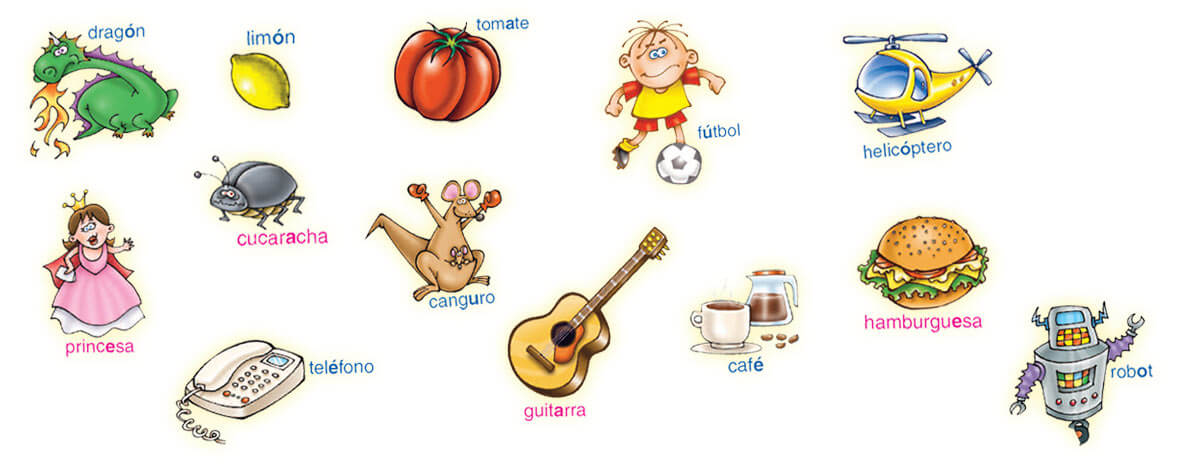
Thousands of words are cognates, meaning they sound very similar to English.
Spanish is useful!
It is the second-most spoken native language in the world, opening doors for their future.

Parents & Educators Love Our Program
5 Star-Rated
Your success is our success! See for yourself what our customers have to say.

Ready to bring this evidence-based Spanish program to your classroom or homeschool?
Are you looking for a Spanish program for kids that actually works?
Experience the Risas y Sonrisas difference for yourself—explore our curriculum options and start your journey today!